Thursday, 6 October 2011

Analysing clever adverts

Have a look at the adverts below and try and come up with the answers to some of the following questions. You will have 15 minutes to do this. You can either write your answers in your books, OR upload them to your blog along with the picture of the ad you are discussing, OR just discuss your answers with a partner. Whatever option you choose, be prepared to give me the answers when I ask you! :


  • How can you tell who the target audience is? (age, gender, interests etc)

  • What is the “unique selling point” of the product making you DESIRE this product (ie why should you buy THIS product)

  • Why would an audience like this advert or be "interested" by it?

  • What do the colours in the advert signify? (about the product, company or audience)


Monday, 3 October 2011

Analysing Adverts - On your own

Here is an example of an A* analysis of an advert.

Analysing Adverts


Today you are going to do your own analysis of an advert of your choice from the selection below. Right click on the picture you like and copy it. Then open a word document and paste the picture into the middle of the page. Add text boxes around it and write your analysis of each element in the boxes around the ads. (Just like my example above - except using a different advert obviously!)

You should aim to discuss as many of the following points as possible (depending on what is relevant to the ad you choose)


  • Choice of People – Have they chosen a celebrity or model to endorse their product? Why? What effect will this have on the audience?


  • Facial Expressions – If there are people / animals / characters in the ad, what do their facial expressions suggest about the product? Do they tell you how you would feel if you bought the product?


  • Body Language – What does their body language tell you about how you would feel if you bought the product? Are they close together, far apart? Do they look energetic or relaxed etc?


  • Colour –What colours have been used in the advert and what do they suggest about the product / brand? Are the colours associated with any particular emotions or feeling


  • Lighting – Where is the light and shadow in the picture? What effect does this have on the audience? Does it draw your eye to any particular points? What effect does it have on the look of the product? Is it subtle or dramatic?


  • Slogans / Wording – Is it catchy? Is there alliteration? What words have they used and why? What do the words tell you about the product? Are they using puns, plays on words, metaphors and similes? Why? Do the words suggest something about the product? Have they used scientific words or statistics to make the product seem professional and effective. Have they included a quote or a review from someone and if so who from? How would this effect the audience?


  • Font – Why have they used a certain font? What does it tell you about the product / bran / target audience? Is it big and bold, or small and delicate? Is anything in a different font and why? What about the size of the letters?


  • Props / costumes – what do the props and costumes in the ad tell you? Do they suggest something about the person who uses the product? Do they tell you something about the way the product will make you feel if you use it


  • Image Size – Have they used close ups, wide shots, medium shots? Why? Do they want you to see detail? Or do they want to show you the whole picture?


  • Image Angle – Have they used an eye level shot? A low angle shot (looking up at something) or a high angle shot (looking down at something)? What effect does this have?


  • Product – How and why have they shown the product and its packaging? What does the bottle / packaging / appearance of the product suggest about it?


  • Other images – what do any of the other images suggest to the audience? Eg background images etc..


  • Product Name / Company Name – what do they suggest to the audience about the product or the institution? Eg The brand name “L’Oreal Paris” suggests the product was made or associated with a capital city famous for fashion. This signifies to the audience that the product is fashionable and chic.


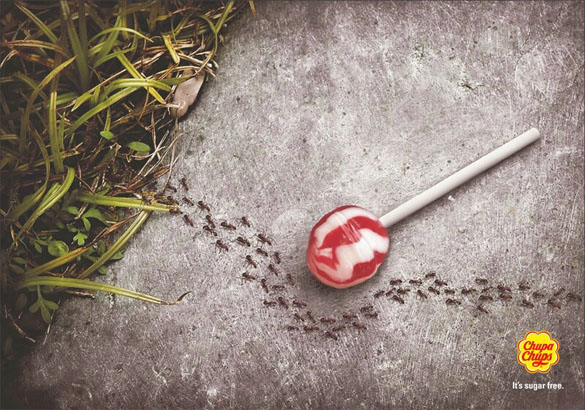


Analysing Adverts - practise


In today's lesson you are going to work in pairs to analyse the two adverts above. Think about the following things:


Choice of People – Have they chosen a celebrity or model to endorse their product? Why? What effect will this have on the audience?


Facial Expressions – If there are people / animals / characters in the ad, what do their facial expressions suggest about the product? Do they tell you how you would feel if you bought the product?


Body Language – What does their body language tell you about how you would feel if you bought the product? Are they close together, far apart? Do they look energetic or relaxed etc?

Colour –What colours have been used in the advert and what do they suggest about the product / brand? Are the colours associated with any particular emotions or feelings?

Lighting – Where is the light and shadow in the picture? What effect does this have on the audience? Does it draw your eye to any particular points? What effect does it have on the look of the product? Is it subtle or dramatic?


Slogans / Wording – Is it catchy? Is there alliteration? What words have they used and why? What do the words tell you about the product? Are they using puns, plays on words, metaphors and similes? Why? Do the words suggest something about the product? Have they used scientific words or statistics to make the product seem professional and effective?


Font – Why have they used a certain font? What does it tell you about the product / bran / target audience? Is it big and bold, or small and delicate? Is anything in a different font and why? What about the size of the letters?


Props / costumes – what do the props and costumes in the ad tell you? Do they suggest something about the person who uses the product? Do they tell you something about the way the product will make you feel if you use it?


Image Size – Have they used close ups, wide shots, medium shots? Why? Do they want you to see detail? Or do they want to show you the whole picture?


Image Angle – Have they used an eye level shot? A low angle shot (looking up at something) or a high angle shot (looking down at something)? What effect does this have?


Product – How and why have they shown the product and its packaging? What does the bottle / packaging / appearance of the product suggest about it?


Other images – what do any of the other images suggest to the audience? Eg background images etc..


Product Name / Company Name – what do they suggest to the audience about the product or the institution? Eg The brand name “L’Oreal Paris” suggests the product was made or associated with a capital city famous for fashion. This signifies to the audience that the product is fashionable and chic.

Wednesday, 28 September 2011

Wayne Rooney Advertising Practise

Here is the instructions on how to create an advert for lucozade starring Wayne Rooney. Underneath the instructions are the images you will need for the task.
Wayne Lightning Tutorial


How to add the media mark scheme in to your blog

1) Open the link below in a NEW TAB. http://www.scribd.com/doc/66670344/Media-Level-Ladder. On the page click on the button that says EMBED (its on the right hand side of the page)


There will be two boxes in front of you with a weird code in it. Find the one that says Embed This Document. Highlight and copy all the weird code in that box.


2) Go to YOUR blog homepage and click on NEW POST. Call the new post "How I am going to be marked."


3) When the new post box comes up look at the top right of the box for the tab that says EDIT HTML. CLick on it.


4) Right click in the box and choose PASTE. This will paste in all of that funny code you just copied from my site.


5) Then next to that EDIT HTML tab you just clicked on, click on the COMPOSE tab.


6) Now click on the orange PUBLISH POST button at the bottom. When you view your blog, you should now see the mark scheme pop up and be able to zoom in and out to read it clearly! SIMPLE

Media Level Ladder

Tuesday, 27 September 2011

Photoshop experiments


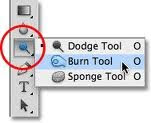
Use the following images (and ones you find yourself) to experiment with photoshop. The following tools might come in handy. You can find them on the left hand tool bar (you may have to right click on some tools to find them)

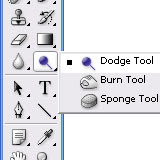
The Burn tool - makes things darker, creates shadows

The Dodge Tool - makes things lighter, creates highlights
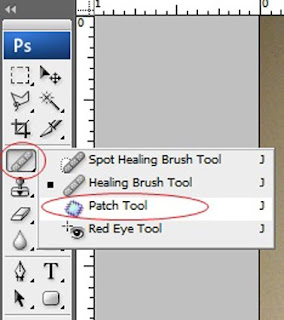
The Spot healing Brush - literarlly click on spots to get rid of them
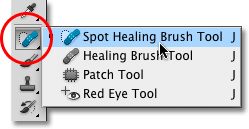
The Patch Tool - draw around areas you don't like eg wrinkes. Then drag that "patch" to another nicer area you want to replace it with. Let go and its all lovely!
Blur Tool - makes things blurry / soft focus
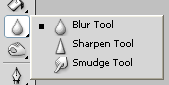
Smudge Tool - smudges things! (see picture above)

T tool - adds in text - just draw the text box on to your document and write in it!

Another good tool to use is to go to Filter at the top, then Liquify and then use the Forward Warp tool to make people thinner / fatter / taller / shorter

I want each student to aim to test out at least 3 tools in today's lesson. Make sure that after you have finished each experiment, go to YOUR blog and upload the before and after pictures and explain what you learned about those tools today.


What about trying to make this woman look thinner or fatter using the LIQUIFY tool?


How about changing this woman's eye colour? or her lipstick colour?


Why not cut this man out of the white background and put him somewhere else?


Why not cut this car out and put it on a different background?


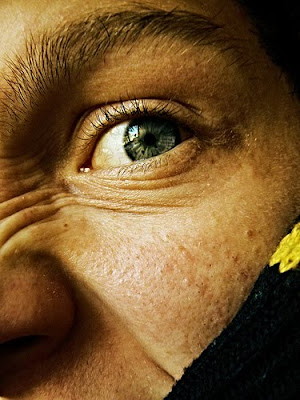
Why not try and take the wrinkles away from this man's face? Get rid of his spots? Change his eye colour?